Why Flying Private Is the Most Reliable Way to Travel
Updated
at
By
admin
| 12 min read
Introduction
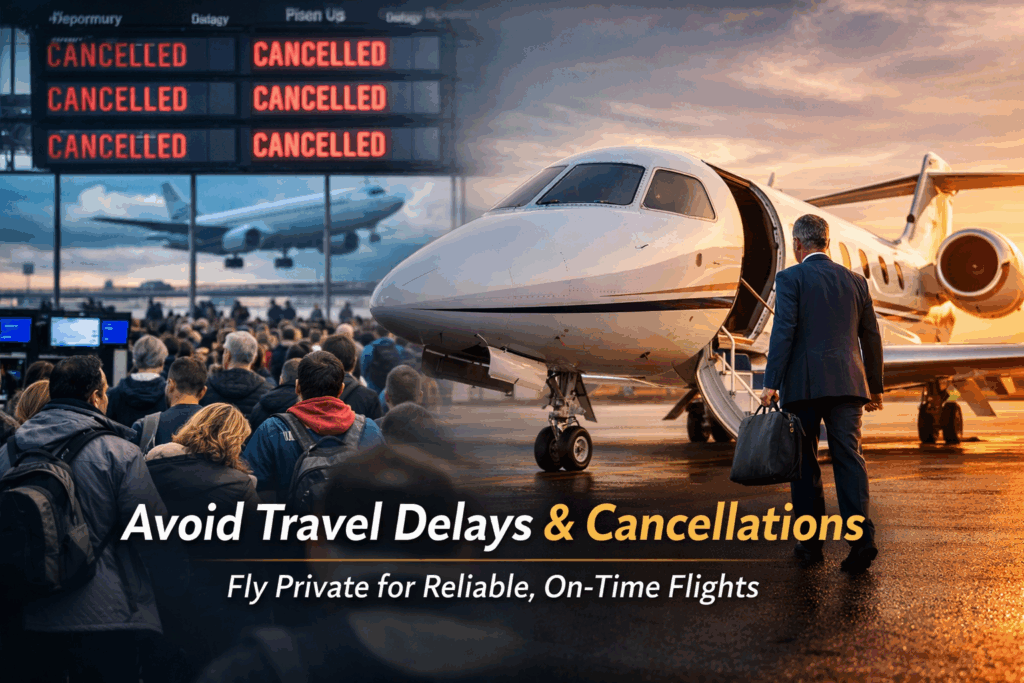
Commercial airline travel has become increasingly unpredictable in recent years. From weather disruptions and staffing shortages to airport congestion and aircraft availability, delays and cancellations have become a regular part of the travel experience for many passengers. As these disruptions continue to affect major airline networks, many travelers are turning to private aviation as a more reliable way to reach their destinations on schedule.
Rising Airline Delays and Cancellations
Airline operations depend on complex scheduling systems involving thousands of flights, crews, and aircraft each day. When disruptions occur—whether due to weather, mechanical issues, or airport congestion—they often ripple through the network, causing widespread delays and cancellations. Passengers frequently experience missed connections, long wait times, and limited rebooking options.
For business travelers and individuals with time-sensitive schedules, these disruptions can create significant challenges. Important meetings, events, and commitments may be impacted when commercial flights fail to operate on time.
Why Private Aviation Offers Greater Reliability
Private aviation operates very differently from commercial airline networks. Instead of relying on rigid airline schedules and hub-based routing systems, private flights are arranged around the traveler’s schedule and mission.
Because private aircraft typically operate from smaller airports and avoid major airline congestion, they can depart more efficiently and adjust schedules when conditions change. This flexibility allows private aviation providers to adapt quickly to weather patterns or airport delays
Access to Thousands of Airports
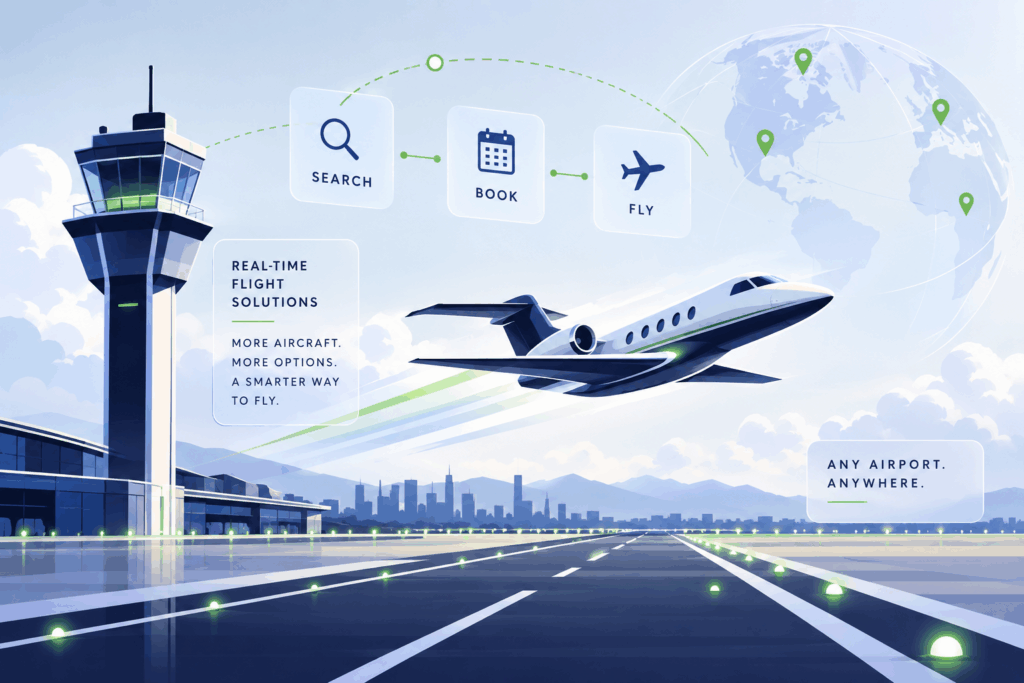
Another major advantage of private aviation is access to a far larger network of airports. While commercial airlines primarily operate from major hubs, private jets can utilize thousands of regional and executive airports.
This expanded access allows travelers to depart closer to their starting point and land nearer to their final destination, reducing overall travel time and avoiding heavily congested airports where delays are more common.
Greater Control Over Your Travel Schedule
One of the defining advantages of private aviation is schedule control. Instead of adapting to airline timetables, travelers flying privately determine when their flight departs. If plans change, departure times can often be adjusted.
This level of flexibility significantly reduces the likelihood of missed connections or extended travel disruptions, giving travelers greater confidence in reaching their destination as planned.
The Future of Reliable Air Travel
As commercial aviation continues to face operational challenges, private aviation is becoming an increasingly attractive alternative for travelers seeking reliability, efficiency, and control over their travel plans. With greater flexibility, access to more airports, and fewer operational constraints, private aviation offers a travel experience designed around the passenger rather than the airline schedule.
About the Author
Keira Svensen is the Content & Editorial Director of Virtual Hangar Media, where she leads editorial strategy and storytelling across private aviation, aircraft markets, and emerging flight technologies. With a focus on data-driven reporting and modern aviation trends, Keira helps shape how owners, operators, and travelers understand the evolving private aviation landscape.