Inside a Private Jet Turnaround
- Updated
- at
- By admin
- | 12 min read
Introduction
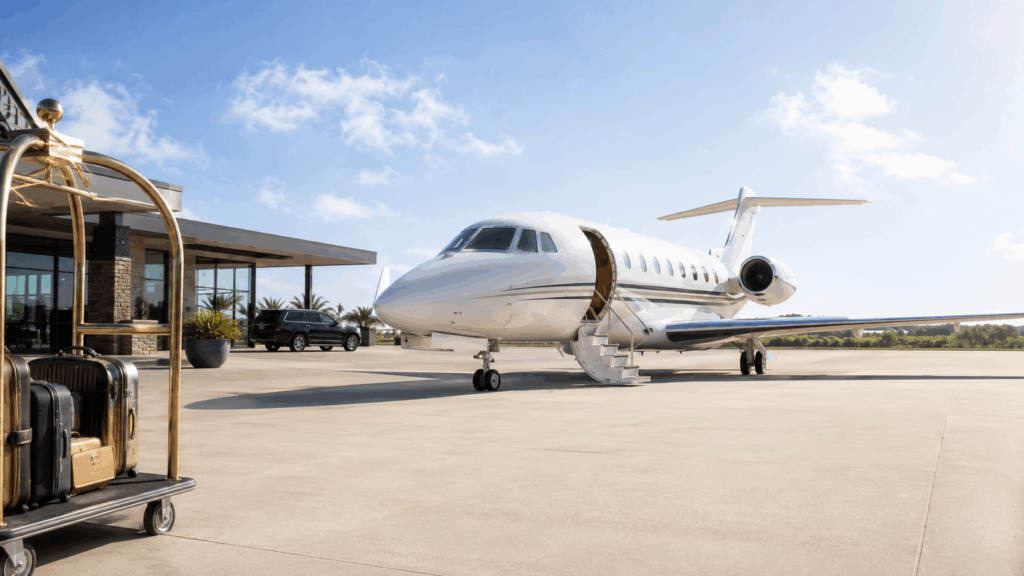
Passengers often see private aviation as a seamless experience: arrive at the airport, board the aircraft and depart within minutes. What they rarely see is the carefully coordinated work happening between flights.
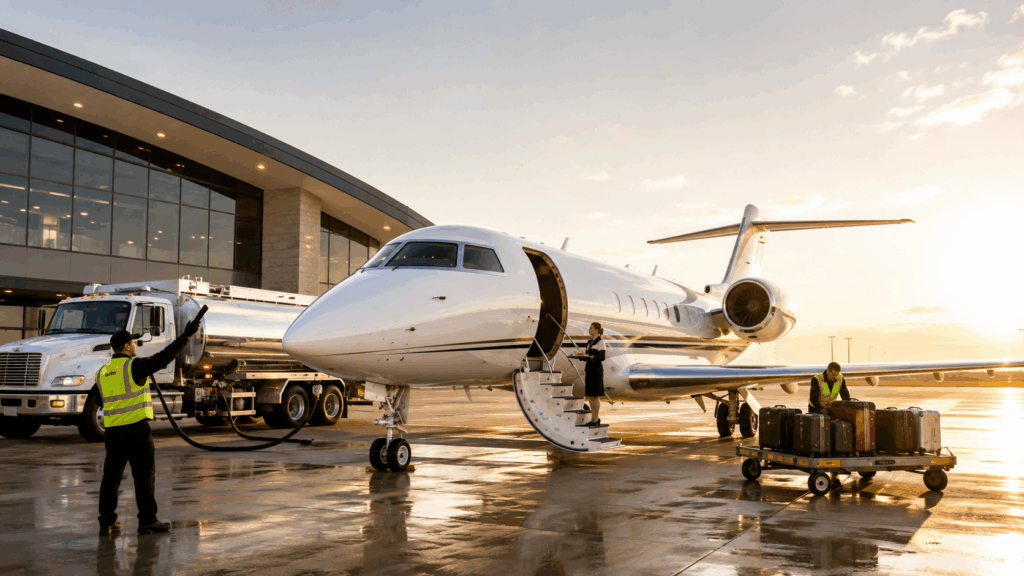
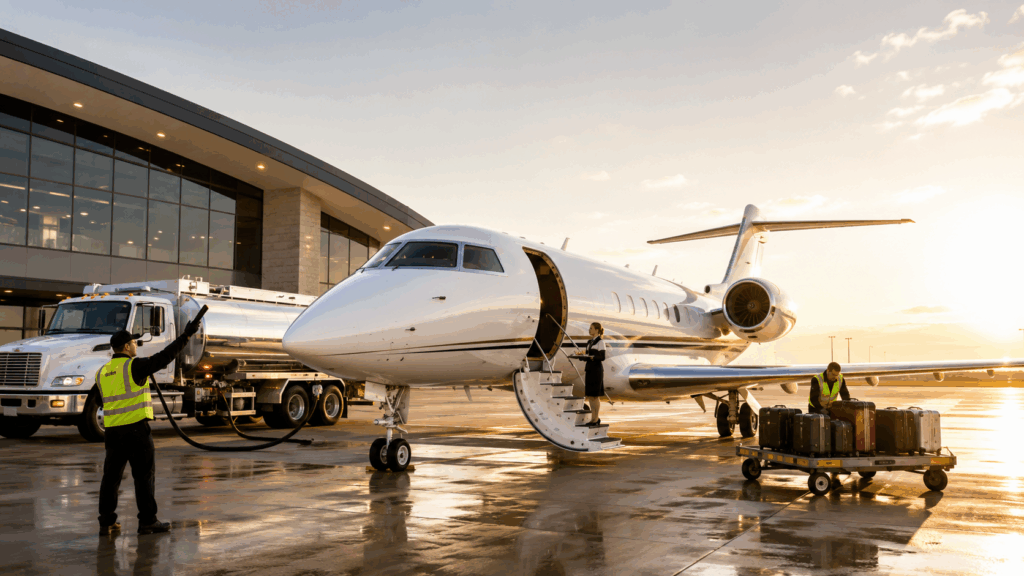
After one group steps off a private jet, pilots, line-service professionals, cabin attendants, dispatchers and fixed-base operator teams begin preparing the aircraft for its next trip. Fuel may need to be added, luggage reorganized, catering replaced and the cabin cleaned—all while the crew evaluates weather, routing and aircraft performance.
This process is known as an aircraft turnaround. Although it may look quick from the terminal, it involves far more than simply cleaning the seats and refueling the jet.
Planning Often Begins Before the Aircraft Lands
The next flight may already be taking shape while the aircraft is still in the air.
Before arrival, the operator or flight crew may contact the fixed-base operator, commonly known as the FBO, to confirm the services needed on the ground. These requests can include fuel, catering, passenger transportation, aircraft parking and assistance moving luggage.
For especially quick turnarounds, the flight crew may notify the FBO shortly before arrival so fuel trucks, passenger escorts and ground personnel are ready when the aircraft reaches the ramp.
This advance coordination helps prevent the aircraft from waiting unnecessarily after landing.
The Aircraft Is Guided Into Position
Once the private jet leaves the runway, it taxis to the designated parking area.
Ground personnel may use hand signals or illuminated wands to guide the pilots into the correct position. This process is known as marshalling. Wing walkers may also be used when space is limited or when the aircraft is operating around other jets, vehicles and equipment.
Ramp areas can become extremely active. Fuel trucks, baggage carts, catering vehicles, passenger cars and aircraft may all be moving within a relatively small space.
Safe ground handling is therefore an important part of every turnaround. Fueling, towing and aircraft servicing all introduce risks that must be carefully managed by trained personnel.
Passengers and Luggage Are Unloaded
When the engines are shut down and the aircraft is secured, passengers can exit.
Depending on the airport and local procedures, travelers may walk into the FBO, enter a waiting vehicle or be driven from the aircraft to the terminal. At some private airports, ground transportation may be permitted to meet passengers close to the jet.
Meanwhile, the crew or ground team begins removing luggage.
This is not always as simple as transferring bags from one compartment to another. The team may need to separate items belonging to departing passengers, identify luggage remaining onboard and confirm what needs to be loaded for the next trip.
Golf clubs, skis, strollers, car seats, oversized bags and pet supplies can require additional planning because each aircraft has different baggage-compartment dimensions and weight limitations.
The Fuel Order Is Confirmed
Fueling is one of the most visible parts of a private jet turnaround, but the amount added is not chosen casually.
The crew considers:
- The distance of the next flight
- Forecast weather
- Possible alternate airports
- Expected air traffic delays
- Aircraft weight
- Passenger and baggage load
- Fuel availability at the destination
The aircraft does not necessarily need to be completely filled. Carrying more fuel increases weight, and additional weight can affect aircraft performance and efficiency.
The flight crew and fueling personnel also verify that the correct fuel type has been requested before servicing begins. Aviation organizations place significant emphasis on fuel verification, personnel training and safe handling procedures.
A crew member may remain nearby to oversee the process while another pilot handles flight planning or other preparations.
The Cabin Is Reset
While the aircraft is being fueled, the cabin may be cleaned and prepared for its next passengers.
The amount of work required depends on the length of the previous flight, the aircraft and how soon it needs to depart again. A typical cabin reset may include:
- Removing trash
- Wiping tables and surfaces
- Vacuuming or spot-cleaning the carpet
- Straightening seats and seat belts
- Replacing blankets and pillows
- Restocking bottled water and refreshments
- Servicing the lavatory
- Checking cabin supplies
- Replacing or arranging catering
Small details matter in private aviation. Water bottles may be repositioned, glassware checked and the cabin temperature adjusted before passengers arrive.
On aircraft with a cabin attendant, that person may also organize meals, inspect serving equipment and prepare the cabin for the specific passengers traveling next.
Catering Is Checked and Loaded
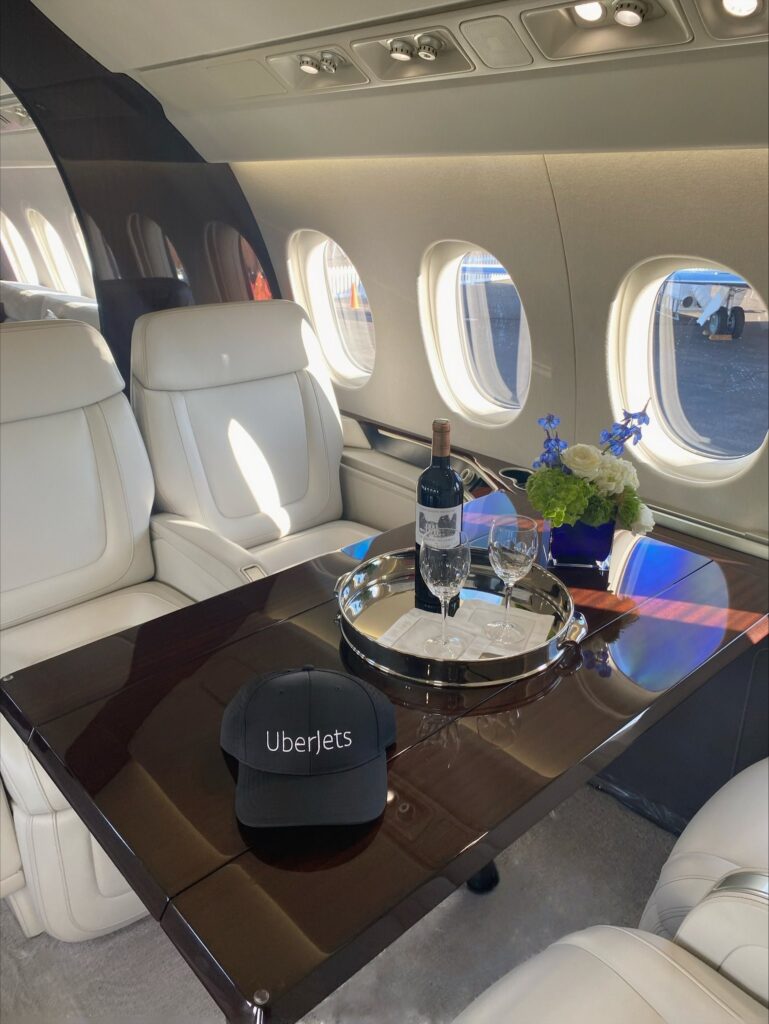
Private aviation catering can range from light snacks and refreshments to customized meals prepared for the passengers onboard. With Virtual Hangar®, catering preferences can be added during the booking process or arranged directly with a dedicated flight advisor. Members can request specific meals, beverages, dietary accommodations and other personal preferences before departure.
Our proprietary Virtual Hangar® technology makes requesting catering as seamless as selecting your aircraft. During the booking process, members can specify catering preferences or speak directly with their flight advisor to customize their onboard experience.
For select membership tiers, complimentary catering credits are included, covering items like:
- First $200 of in-flight catering
- Preferred pricing with our luxury catering partners
- Complimentary welcome drinks and snacks on select aircraft
These features are just another way UberJets enhances the value of each flight—saving you time while maintaining elevated standards.
During the turnaround, the crew confirms that the catering order has arrived, matches the passengers’ requests and can be safely stored onboard. Meals may need to fit inside compact ovens, refrigeration spaces or limited galley compartments, so coordination between the Virtual Hangar® team, the caterer, the FBO and the flight crew is essential.
A missing or incorrect item may seem like a small issue, but replacing it can delay departure—especially when the aircraft is completing a quick turnaround. By organizing catering preferences in advance, Virtual Hangar® helps ensure the cabin is prepared and the requested dining experience is ready before passengers board.
Pilots Prepare the Next Flight
While ground personnel work around the aircraft, the pilots are preparing for the next leg.
This can include reviewing:
- Current and forecast weather
- The planned flight route
- Airport conditions
- Runway lengths
- Notices to Air Missions
- Fuel requirements
- Passenger and baggage weight
- Alternate airports
- Air traffic restrictions
- Crew duty and rest limitations
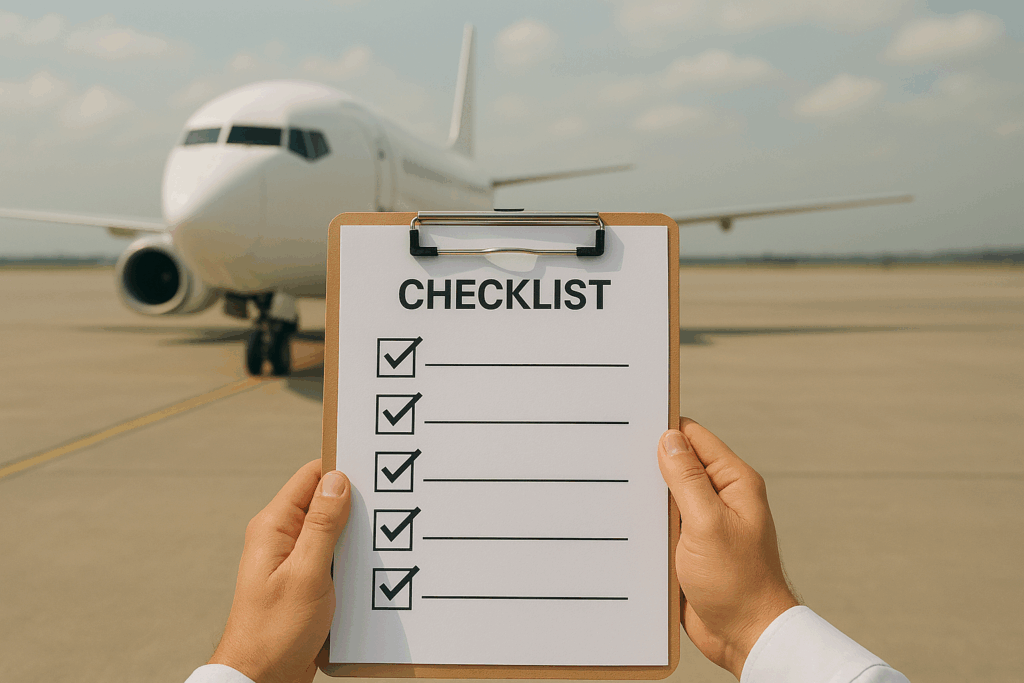
Preflight services and flight planning are designed to support the safe and efficient operation of the aircraft before takeoff.
The pilots may also speak with dispatchers, the operator or the passenger’s flight team if weather or airport conditions require a schedule adjustment.
The Aircraft Receives a Walk-Around Inspection
Before the next departure, a pilot conducts an exterior inspection of the aircraft.
The pilot walks around the jet and visually examines important areas such as the wings, tires, landing gear, engines, control surfaces and exterior panels.
The goal is to identify anything that appears damaged, loose, leaking, blocked or otherwise unusual.
The inspection may also reveal something picked up during the previous flight or while the aircraft was parked. Even a small issue must be evaluated before departure.
A turnaround may feel fast to passengers, but essential safety checks are not skipped simply to leave sooner.
Baggage Must Be Loaded Correctly
Once the next passengers’ luggage arrives, each item is loaded into the appropriate compartment.
The total weight and location of the baggage matter. Pilots must ensure the aircraft remains within its approved weight and balance limits.
A jet may have enough passenger seats but still be unable to accommodate an unlimited number of large bags. Some aircraft have external baggage compartments, while others store luggage within the pressurized cabin.
This is why accurate luggage information is important when requesting a private flight. Ten small carry-on bags can create a very different loading situation than ten large suitcases, golf bags and strollers.
Providing those details early helps the operator prepare the aircraft correctly and reduces last-minute surprises.
The Final Cabin and Ramp Checks Begin
As departure approaches, the different parts of the turnaround come together.
The flight crew confirms that fuel service is complete, doors and exterior panels are secured, catering is onboard and baggage has been properly loaded.
The cabin is checked again, passenger requests are reviewed and the ground team removes equipment from around the aircraft.
Once passengers board, the crew may confirm the destination, expected flight time and important safety information.
Only after the aircraft, passengers, crew and flight plan are ready can the doors close and the jet prepare to leave the ramp.
A Quick Turnaround Should Never Feel Rushed
There is no single turnaround time that applies to every private flight.
A straightforward domestic trip requiring limited fuel and light cabin service may be completed relatively quickly. A longer international flight requiring customs coordination, extensive catering, a crew change or additional fuel can require more time.
Aircraft size also matters. Preparing a light jet for a short flight is different from servicing a large-cabin aircraft carrying many passengers on an international route.
Business aviation crews may divide the workload during a quick turn, with one pilot working on flight planning while another oversees the exterior inspection and fueling. The goal is not simply to move quickly; it is to complete every required task safely and efficiently. .
How Passengers Can Help the Process
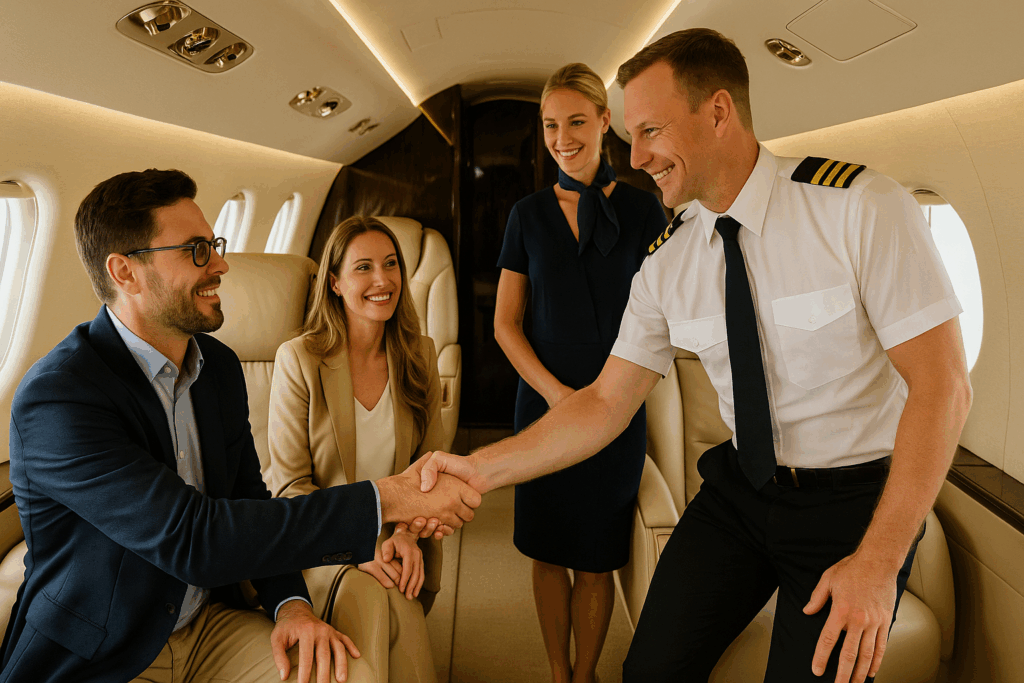
Travelers can support a smoother turnaround by providing accurate information before the flight.
The flight team should know about:
- The correct passenger count
- Large or unusual luggage
- Pets traveling onboard
- Catering requests
- Dietary restrictions
- Ground transportation needs
- Schedule changes
- International documents
Arriving at the agreed time also helps the crew coordinate fueling, catering and baggage loading around the planned departure.
A late passenger may affect more than one flight. The aircraft, pilots or cabin crew may already have another scheduled trip later in the day.
The Work Behind a Seamless Flight
the ground.
While passengers relax inside the FBO or travel to the airport, the flight crew and support teams may be fueling the aircraft, cleaning the cabin, reviewing weather, loading bags and preparing the next route.
Most travelers never see the full process—and that is often the point. When every detail is properly coordinated, the result feels simple.
Through Virtual Hangar®, travelers can compare aircraft options and work with an experienced flight team that helps coordinate the details surrounding each trip.
The next time a private jet arrives, unloads its passengers and departs again shortly afterward, there is far more happening behind the scenes than meets the eye.
About the Author
Keira Svensen is the Content & Editorial Director of Virtual Hangar Media, where she leads editorial strategy and storytelling across private aviation, aircraft markets, and emerging flight technologies. With a focus on data-driven reporting and modern aviation trends, Keira helps shape how owners, operators, and travelers understand the evolving private aviation landscape.
About The Team: https://virtualhangarmedia.com/about/
Website: https://virtualhangar.com/news/