Government Shutdown: How It Impacts Aviation — and Private Flight
Updated
at
By
admin
| 12 min read
Introduction
When the federal government shuts down, the ripple effects reach far beyond Washington. Aviation, one of the most tightly regulated and federally managed industries in the nation, feels the impact almost immediately. While commercial passengers experience delays and crowded terminals, the effects on private aviation—where precision, certification, and coordination are everything—can be even more significant.
Essential Operations Continue, But Strain Builds
During a shutdown, air traffic controllers and safety personnel continue working as “essential” employees. But without pay until funding resumes, morale and staffing levels often drop. That strain can translate into longer routing times, air traffic flow restrictions, and slower responses across the National Airspace System.
Meanwhile, thousands of FAA employees are furloughed—pausing critical administrative functions such as certifications, inspections, and approvals. For an industry that depends on timely documentation and oversight, even short disruptions can cause lingering backlogs once normal operations resume.
Private Aviation Feels It First
For private operators, flight departments, and aircraft owners, the shutdown can create immediate operational hurdles. FAA Flight Standards District Offices may suspend or delay processing of:
New aircraft registrations and ownership transfers
Airworthiness certificates and modifications
Pilot and crew certifications
Operational specification changes for charter operators
Maintenance projects requiring FAA review or signoff may also stall, potentially grounding aircraft until proper documentation is restored. Flight schools and training centers can experience similar slowdowns in check rides or simulator approvals, all adding friction to an industry that relies on precision scheduling.
Economic and Operational Ripples
Although the skies remain open, a prolonged shutdown slows the entire aviation ecosystem. Deferred inspections, delayed infrastructure projects, and hiring freezes at the FAA can affect capacity for months to come. For private flyers, that translates to fewer available aircraft, longer lead times for certain certifications, and added costs tied to administrative delays.
On the business side, uncertainty can impact planning for charter companies, operators, and MRO facilities. Many depend on predictable FAA response times to maintain compliance and schedule operations smoothly.
Virtual Hangar® Keeps Flyers Moving
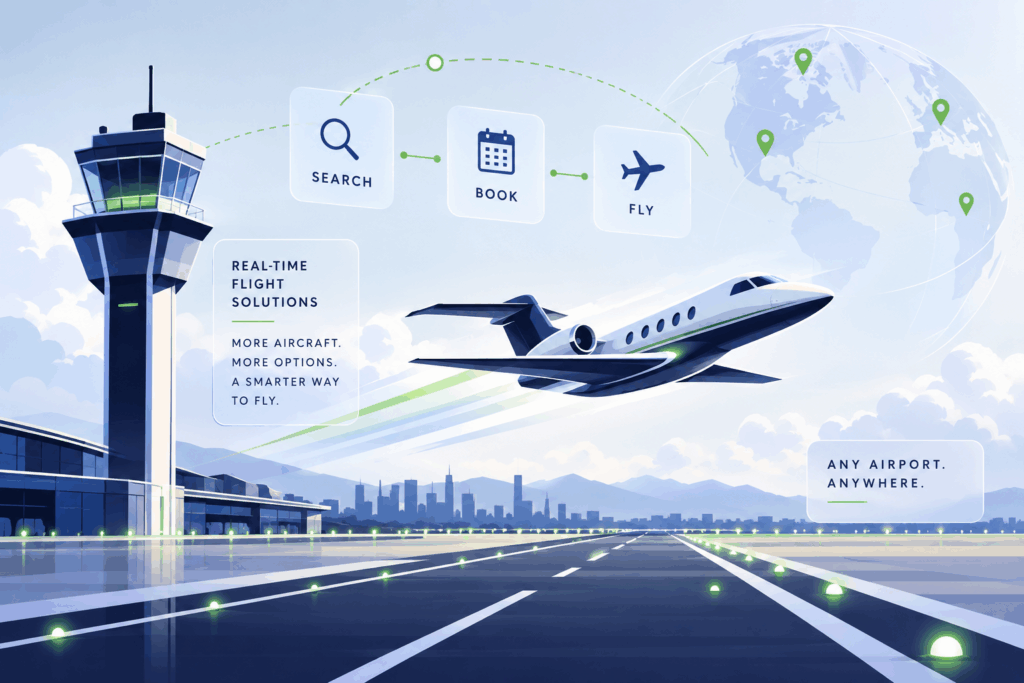
While regulatory slowdowns may impact the broader industry, Virtual Hangar® continues to deliver seamless access to aircraft across its network. AI-driven flight matching, real-time aircraft availability, and a robust network of verified operators allow members to book efficiently—even as government processes pause.
The system is designed to adapt, ensuring travelers remain insulated from the ripple effects of bureaucracy. Whether for business or leisure, Virtual Hangar® members continue to experience reliability above the gridlock.
About the Author
Keira Svensen is the Content & Editorial Director of Virtual Hangar Media, where she leads editorial strategy and storytelling across private aviation, aircraft markets, and emerging flight technologies. With a focus on data-driven reporting and modern aviation trends, Keira helps shape how owners, operators, and travelers understand the evolving private aviation landscape.