A historic move reopens U.S. skies to faster-than-sound travel, with massive implications for the future of flight.
Updated
at
By
Vincent Chu
| 13 min read
Introduction
For over five decades, U.S. skies have been off-limits to civilian aircraft flying faster than the speed of sound. That changed in June 2025, when President Donald J. Trump signed an executive order removing the federal ban on supersonic flight over land. This groundbreaking move marks a turning point in aviation history—one that could cut transcontinental travel times nearly in half and reignite innovation in private and commercial aviation.
This article explores what the executive order entails, how it benefits startups like Boom Supersonic, and what the new regulatory landscape could mean for business travelers, private jet operators, and the global aviation economy.
Why Was Supersonic Flight Banned?
The original regulation, enacted in 1973, banned civilian aircraft from flying faster than Mach 1 over U.S. soil due to the disruptive sonic booms such speeds create. While Concorde aircraft operated internationally, they were forced to slow down to subsonic speeds when flying over the United States.
Now, thanks to advances in aerospace engineering, material science, and noise-dampening technology, sonic booms can be significantly reduced or rerouted—making overland supersonic travel both feasible and potentially acceptable to the public.
Key Takeaways from the Executive Order
Trump’s directive to the Federal Aviation Administration (FAA) includes:
Immediate repeal of the current ban on Mach 1+ civilian flights over the U.S.
Creation of an interim noise-based standard to regulate supersonic aircraft acceptability.
Coordination of supersonic R&D across NASA, the Department of Defense, and private industry.
International engagement to align global standards and promote bilateral agreements for supersonic travel.
The FAA is tasked with publishing proposed regulations within 180 days, including a formal public comment period and guidance on certification.
Impact on the Private Jet Industry
The lifting of the ban is a game-changer for the private aviation sector. Companies like Boom Supersonic are already testing aircraft that can exceed Mach 1 with minimal sonic impact. Boom’s XB-1 demonstrator jet recently reached Mach 1.122 during a successful test over California with no audible sonic boom at ground level.
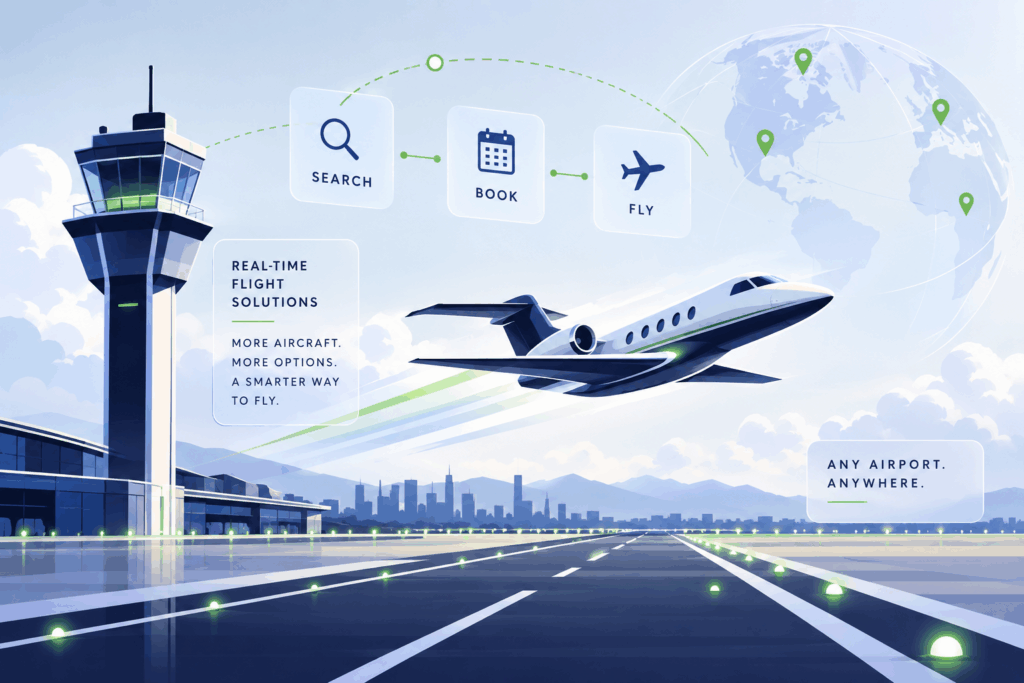
Integrating next-gen supersonic jets into their booking platforms.
Offering clients coast-to-coast trips in under 4 hours.
Providing real-time, AI-powered jet matching and pricing—now with supersonic options.
Business travelers could soon expect trips from Los Angeles to Washington, D.C. in just over three hours, revolutionizing time management and itinerary planning.
Commercial Airlines Are Watching Closely
Major U.S. carriers like United Airlines and American Airlines have already signed agreements to purchase supersonic jets from American manufacturers. Trump’s deregulation opens the door for widespread adoption—not just for elite travelers, but also for premium cabin flyers.
Supersonic routes between major business hubs (NYC–SF, Chicago–Dallas, Miami–Seattle) could become commonplace within the decade.
What’s Next?
While this order sets the stage, a lot hinges on the upcoming FAA noise standards. If manufacturers can meet the yet-to-be-announced requirements, commercial and private supersonic flights could become reality by the end of the decade.
Additionally, this move boosts U.S. competitiveness in aviation—especially as countries like Japan and France invest in similar technologies.
Final Thoughts
President Trump’s repeal of the supersonic flight ban is more than symbolic—it’s a strategic unlock for a sector long held back by outdated regulations. With platforms like Virtual Hangar® ready to integrate supersonic aircraft into their digital ecosystem, the next era of aviation will be faster, smarter, and more accessible.
Stay tuned. The sound barrier may no longer be a barrier at all.
About the Author
Vincent Chu is the Editor-in-Chief of Virtual Hangar Media, where he leads through leadership and industry reporting on private aviation, emerging flight technologies, and the future of luxury air travel. With over a decade of experience in aviation journalism and charter innovation, Vincent has helped shape the conversation around AI, dynamic pricing, and on-demand jet platforms.